
How to Store Seasonal Clothes Efficiently for Easy Access and Longevity
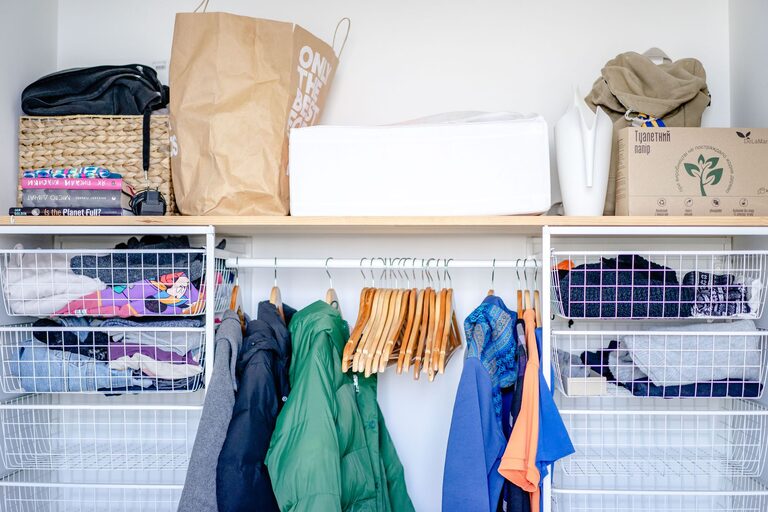
Storing seasonal clothes efficiently is essential for maintaining your wardrobe’s condition and saving space in your home. When the change of seasons comes, packing away winter coats or summer dresses can feel like a chore. However, with a few practical strategies, you can keep your clothes in great shape and organized so they’re easy to find when you need them again. In this guide, we’ll walk you through how to store your seasonal clothes efficiently, whether you have a large closet or limited storage space.
Why Proper Storage Matters
Clothes that are stored improperly can develop damage such as fading, shrinking, wrinkles, or even attract pests like moths. Efficient storage protects your garments and also helps you keep your living space tidy and clutter-free. Moreover, organizing your clothes seasonally means you only have to deal with the items relevant to the current weather, making daily dressing simpler.
—
Step 1: Sort and Declutter Before Storing
Before packing anything away, it’s best to sort through your seasonal clothes.
Tips for Sorting:
– Assess condition: Check for stains, tears, or worn areas that may need repair.
– Try garments on: Decide if they still fit and suit your style.
– Donate or recycle: Remove items you no longer wear to lighten your storage needs.
This step ensures you only store what you need and love, saving space and keeping your wardrobe fresh.
—
Step 2: Clean Your Clothes Thoroughly
Storing dirty clothes can attract moths and cause unpleasant odors or stains to set. Always wash or dry clean seasonal items before storage.
Cleaning guidelines:
– Follow care labels precisely to avoid damage.
– For delicate items, consider professional cleaning.
– Allow clothes to dry completely to prevent mold or mildew.
If you’re storing wool, cashmere, or other natural fibers, using the right cleaning method is even more important.
—
Step 3: Choose the Right Storage Containers
The type of storage you use impacts the longevity of your clothes.
Storage options:
– Plastic bins with tight lids: Protect clothes from moisture, dust, and pests.
– Vacuum-sealed bags: Save space but avoid storing delicate fabrics under heavy compression.
– Cotton storage bags: Allow fabrics to breathe and avoid mildew.
– Drawer dividers or shelf organizers: Ideal for smaller items or limited spaces.
Avoid cardboard boxes, as they can attract insects and absorb moisture.
—
Step 4: Prepare Clothes for Storage
How you fold or hang your clothes can prevent wrinkles and fabric damage.
Folding tips:
– Fold clothes neatly to reduce creases.
– For sweaters or heavy knits, fold instead of hanging to keep their shape.
– Use acid-free tissue paper to separate delicate items or prevent creases.
Hanging tips:
– Hang items that wrinkle easily, such as dresses, suits, or blouses.
– Use padded or wooden hangers to support garment shape.
– Cover hanging clothes with breathable garment bags for protection.
—
Step 5: Add Natural Protection Against Pests and Odors
Keeping seasonal clothes fresh means preventing pests and smells.
Natural solutions:
– Use lavender sachets or cedar blocks to repel moths.
– Place baking soda or activated charcoal nearby to absorb odors.
– Avoid chemical mothballs, as they have strong odors and can be harmful.
—
Step 6: Label and Organize Boxes or Bags
Labeling your storage containers makes it easy to identify what’s inside without opening them.
Labeling tips:
– Use large, clear labels with the type of clothing and season.
– Group similar items together (e.g., “Winter sweaters” or “Summer dresses”).
– Maintain an inventory list if you use many boxes.
—
Step 7: Store Seasonal Clothes in a Suitable Location
Where you keep your stored clothes matters for their preservation.
Storage location suggestions:
– A cool, dry, and dark place like a closet, attic, or under the bed.
– Avoid basements or garages if they are prone to moisture or temperature fluctuations.
– Ensure good ventilation to prevent mildew.
—
Step 8: Check and Refresh Your Storage Periodically
Once your clothes are stored, it’s wise to check on them occasionally.
What to check:
– Look for any signs of pests or moisture.
– Air out clothes briefly to keep them fresh.
– Rotate items if you store more than one seasonal set.
—
Bonus Tips for Maximizing Space
– Roll clothes like t-shirts and jeans to minimize wrinkles and save space.
– Use hanging organizers with pockets for accessories or small items.
– Store shoes in clear boxes or shoe bags to keep them dust-free.
—
Conclusion
Storing seasonal clothes doesn’t have to be overwhelming. By sorting, cleaning, choosing the right containers, and organizing thoughtfully, you can protect your garments and keep your home clutter-free. Efficient storage means your favorite seasonal pieces will be ready and looking great every time the weather changes. With these tips, you’ll enjoy a more organized wardrobe all year round. Happy storing!