
Tips for Keeping Towels Fresh and Fluffy Every Day
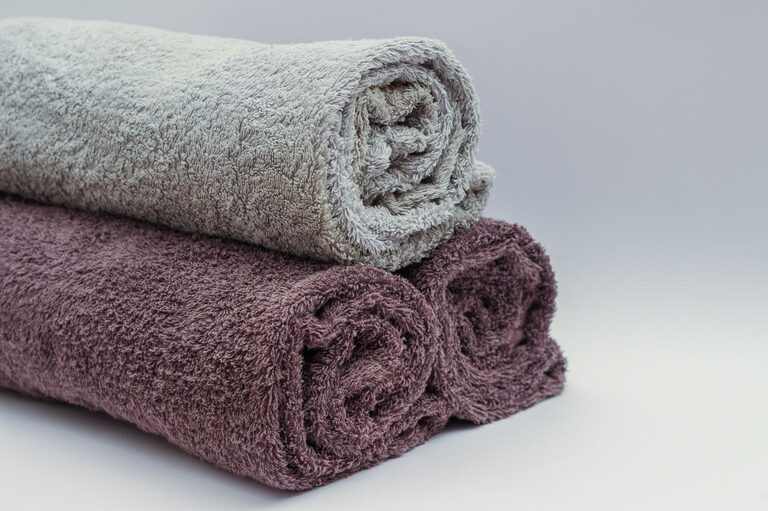
Keeping your towels fresh and fluffy can make a big difference in your daily routine. Soft, clean towels provide comfort after every shower or bath, while fresh-smelling towels add a touch of luxury to your bathroom experience. However, towels can sometimes become rough, stiff, or develop unpleasant odors over time due to frequent use and washing. The good news is that with the right care, you can maintain their softness and freshness for longer. Here’s a detailed guide with practical tips on how to keep your towels in top shape.
Why Towels Lose Freshness and Softness
Before diving into the tips, it’s helpful to understand why towels lose their softness and develop odors:
– Residue buildup: Detergents, fabric softeners, and minerals in water can leave residues on towels.
– Improper drying: Towels that stay damp for long periods can develop mildew or an unpleasant musty smell.
– Overloading the washing machine: Crowded loads prevent towels from being washed and rinsed properly.
– High heat: Using very hot water or dryers can damage towel fibers, making them stiff.
– Fabric softener misuse: While it might seem counterintuitive, fabric softeners can coat towel fibers and reduce absorbency.
Understanding these factors will help you apply the right care strategies.
Washing Towels for Maximum Freshness and Fluffiness
Use the Right Amount of Detergent
Using too much detergent can leave a soapy residue on towels, making them stiff and smelly. Follow the detergent manufacturer’s recommended amount and consider using a mild detergent designed for delicate fabrics. If you have hard water, a detergent formulated for hard water conditions may be helpful.
Skip Fabric Softener or Use It Sparingly
Fabric softeners coat towel fibers, reducing their absorbency and making them less fluffy over time. Instead of fabric softener, try using natural alternatives like white vinegar during the rinse cycle. Vinegar helps remove residues and softens towel fibers without affecting absorbency.
Wash Towels Separately
Wash towels separately from other laundry items to prevent lint transfer and ensure they are cleaned thoroughly. Towels need plenty of water circulation to rinse out detergent effectively.
Choose the Right Water Temperature
Warm water is usually best for towels, as it helps remove oils and bacteria without damaging fibers. Hot water can weaken fibers and cause colors to fade, while cold water may not clean as effectively. Always check the care label on your towels.
Don’t Overload the Washer
Overloading prevents towels from moving freely, leading to insufficient rinsing and a less thorough clean. Wash smaller loads so towels have room to circulate.
Drying Tips for Fluffy Towels
Shake Towels Before Drying
Give each towel a good shake before putting it in the dryer to fluff up the fibers and reduce drying time.
Use a Moderate Heat Setting
High heat can damage towel fibers and cause stiffness. Use a medium or low heat setting on your dryer to protect the towels while drying them thoroughly.
Add Dryer Balls or Clean Tennis Balls
Dryer balls or clean tennis balls help keep towels soft by separating the fibers during drying. They improve air circulation and reduce drying time, which helps prevent stiffness.
Avoid Overdrying
Overdrying towels can make them feel rough. Remove towels from the dryer while they are just dry or slightly damp, then let them air out if needed.
Line Dry When Possible
If weather and space allow, line drying is a great option. Natural air drying helps preserve towel fibers and can keep them smelling fresh, especially when towels get sunlight exposure. Just be sure to shake them out before hanging to keep them fluffy.
Maintaining Towel Freshness Between Washes
Hang Towels Properly
After use, hang towels spread out on a towel rack or hook to allow them to dry completely. Avoid folding or bunching wet towels, as this traps moisture and encourages mildew and odors.
Avoid Using Towels as Cleaning Rags
Using your bath towels as cleaning cloths or wiping surfaces can transfer dirt and oils, causing odors. Use separate cloths for cleaning.
Refresh Towels Between Washes
If your towels start to smell musty but don’t need a full wash, try spritzing them lightly with a fabric freshener spray or a mixture of water and a few drops of essential oil. Make sure towels dry fully afterward.
Wash Towels Regularly
A good rule of thumb is to wash bath towels after every 3 to 4 uses. Hand towels and kitchen towels may require more frequent washing due to heavier use.
Additional Tips for Long-Lasting Towels
Avoid Bleach
Bleach can weaken towel fibers and cause yellowing. Instead, use color-safe bleach alternatives or oxygen-based cleaners.
Use Baking Soda for Deep Cleaning
Occasionally washing towels with half a cup of baking soda along with detergent can help break down residues and odors.
Store Towels in a Dry Place
Keep your clean towels in a cool, dry cabinet or linen closet. Avoid storing them in humid areas to prevent mildew growth.
Replace Towels When Needed
No matter how well you care for towels, they will eventually wear out. Replace towels when they become thin, rough, or lose their absorbency.
—
By following these tips, your towels will stay fresh, soft, and fluffy, giving you a better, more comfortable experience every time you use them. Happy towel caring!